
Alright, let’s get real about some common hair care misconceptions and popular hair care myths that just won’t die. People swear by them, pass them down like family recipes, and yet… they’re often based on half-truths or complete fiction. This is your guide to hair care myths debunked — we’ll break them down one by one and see what really works for healthy, beautiful hair.
1. Cutting Your Hair Makes It Grow Faster
This is one of the oldest hair care myths in the world. But here’s the truth: hair growth is a complex process that depends on many factors.
What are you eating? Is your diet nutrient-rich? Do you need specific multivitamins? Are you delivering enough nutrients to your scalp? (Yes, scalp massages really do help oxygen and nutrients reach your hair follicles.)
Also Read
3 Hair Porosity Types and the Best Routine for Each One
Your environment, your overall health, and conditions like PCOS or thyroid issues all affect growth. And here’s some simple logic: hair grows from the root, not the ends. So cutting the tips won’t magically speed things up.
2. The More Oil You Apply (and The Longer You Keep It), The Better
Nope. Your scalp can only absorb the amount of oil it needs. If you over-apply, the excess just drips off — and if you leave it on too long, your pores can clog, leading to more harm than good.
The sweet spot? 30 minutes to 1 hour. That’s all you need. Apply just enough for your scalp, not your entire kitchen’s supply of oil.
3. Shampoo Only Once a Week
You should shampoo when your hair actually needs it. Everyone’s scalp and hair texture are different, so there’s no universal rule here.
Does your scalp get oily the next day? Is there noticeable buildup? Then wash daily.
Does your hair stay fresh for days without feeling greasy or dirty? Then wash only when needed.
Hair care is personal — experiment and figure out what works for you, not what’s trending.
4. The Biggest Hair Care Myths — “Split End Repair” Products Work
I hate to break it to you, but once you have split ends, no product in the world can truly fix them. Oils, shampoos, and conditioners might make them look better temporarily, but the only permanent solution is to cut them off.
Also Read
Solutions for Split Ends Every Hair Type Will Love
Prevention is possible, though. Keep your hair moisturized, protect it from heat, and give extra care when it feels dry. Apply oil to the lengths, use moisturizing masks, and keep it nourished to avoid splits in the first place.

5. The Egg Mask for Shine
“Apply an egg mask and your hair will shine” — not exactly. You’ll more likely be left with a weird smell than a glossy mane.
DIY masks can work, but only in a very limited way. Remember, your scalp is alive, but your hair strands are dead. Natural ingredients can’t truly “nourish” dead hair — they can only give temporary results.
6. The Truth About DIY Treatments
DIY masks aren’t evil, but they’re not miracle workers. For real growth, nutrients are key — from within. If your hair has low porosity, heavy DIY treatments can weigh it down, cause buildup, and even risk infections.
It’s not guaranteed, but the possibility is there. Be smart about what you use.
7. Heat: Friend or Foe?
When we talk about heat damage, we usually mean styling tools like curling irons and straighteners. Blow-drying, however, is different. In fact, especially in humid or cold weather, blow-drying is actually good for you.
Why? Wet hair is fragile. If it stays damp too long, it can lead to fungal infections or scalp flakiness. Wet cuticles are open and vulnerable — using gentle heat closes them, locks in moisture, and keeps hair healthier.
Just keep the heat moderate — warm, not scorching.
Also Read
Tips for Frizzy Hair That Actually Work Wonders
8. Rosemary Water
If you’ve been told rosemary water is the secret to Rapunzel-level growth… well, science says otherwise. Studies show no significant difference in growth between those who used it and those who didn’t.
I even tried it myself (because yes, I get influenced too), and my hair ended up extremely dry — the driest it’s ever been.
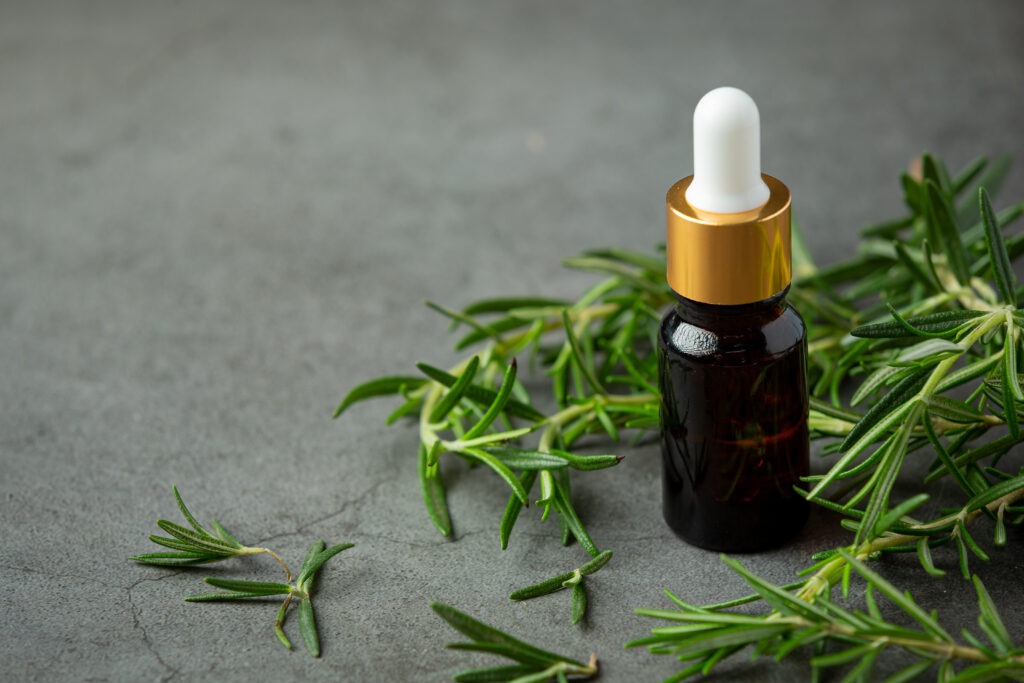
Does Rosemary Oil Grow Hair Faster?
Now, rosemary oil is a slightly different story — but still not a magic bullet.
Some small studies (often with people dealing with certain types of hair loss like androgenetic alopecia) suggest it might improve scalp circulation, which could help support growth over time. In fact, one 2015 study compared rosemary oil to minoxidil 2% and found similar results after six months — but it was a tiny study, so don’t crown it the “hair growth king” just yet.
Other research and dermatologist reviews say the evidence is inconsistent, and a lot of the hype comes from personal stories rather than solid science.
If rosemary oil helps, it’s usually because it keeps your scalp healthy — not because it forces your hair to grow faster than nature intended. It won’t reverse genetic hair loss or fix growth issues caused by health problems.
Also Read
Essential Oils for Hair: Boost Growth and Scalp Health
9. Rice Water
Rice water has been trending everywhere as a “miracle” for rapid hair growth — and yes, it sounds fancy and traditional. The story often goes like this: women in ancient Japan or China had floor-length, silky hair because they rinsed it with rice water.
But here’s the reality: there’s no strong scientific proof that rice water makes hair grow faster. Hair growth happens at the scalp, and rice water doesn’t magically send a “speed up” signal to your follicles.
What rice water can do is temporarily make hair feel smoother and look shinier because it coats strands with starch and a bit of protein. But if your hair is low porosity or protein-sensitive, using it too much can actually make your hair stiff, dry, and more prone to breakage.
So no — rice water won’t give you instant Rapunzel hair. It might help with texture for some people, but for true growth, we’re back to the basics: nutrition, scalp health, and overall wellness.
10. Minoxidil — Does It Work?
For some people, yes — especially those with alopecia. But if your hair loss is caused by something else, it might not help at all. It’s not a one-size-fits-all solution.
In short, hair care isn’t about following every trend or accepting every myth. It’s about taking care of your scalp, knowing your body, and nutrition your body from the inside out. The remainder is merely safe maintaining.
Basic strategy’s all about minimizing the house edge, right? Seeing platforms like the jljl7799 club focus on legit security and a smooth experience is a good sign for players in the Philippines. A solid foundation is key!
Analyzing baccarat patterns is key, but a solid platform matters too. JiliBoss focuses on data – a smart approach for serious players. Considering the jiliboss app for a more analytical experience-KYC is a must, though! Good insights here.
Interesting read! Understanding patterns is key in baccarat, and responsible gaming is crucial. I noticed bigbuny app offers secure play & localized payment options – a solid platform for enjoying the games! 👍